
Stone lions guard a grand old home in Denver, and they hint at a bold life inside its walls. The Molly Brown House stands on Capitol Hill. Also, it tells a warm tale of grit, wealth, and care for others. Margaret Brown earned fame as a Titanic survivor. But her Denver home shows much more than one night at sea. Also, the house links her rise from a plain start to a life of bold public work.
Guides lead guests through rooms full of rich wood, bright glass, and fine old things from her time. Each room feels close and real, and each one links a choice she made in her long life. Meanwhile, the house itself faced ruin in 1970. A group of local fans saved it from the wrecking ball. Their hard work turned a threatened home into a loved museum for all to enjoy.
Molly Brown House Location in Capitol Hill, Denver
The house sits at 1340 Pennsylvania Street in Denver, Colorado, and it rests in the heart of Capitol Hill. Tall trees shade the street, and old homes line the blocks all around it in neat rows. Also, the spot puts guests close to parks, shops, and other old Denver sights on foot. Its hill site gave the Browns a proud view. Still, it gives guests a fine sense of old Denver charm.
Capitol Hill grew as a home for rich mine owners, bank men, and civic chiefs in the late 1800s. Fine stone homes rose side by side. Each one showed wealth, taste, and a wish for status in town. Yet the Brown home stands out, because its stone lions and bold front catch the eye at once. For example, guests spot the lions first. Then they notice the fine stone work that frames the whole front.
When Was the Molly Brown House Built, and Who Designed It?
Workers built the house in 1889. They built it for Isaac and Mary Large, a Denver pair of that time. Architect William A. Lang drew the plans, and he gave the home a bold mix of stone, curves, and rich detail. Also, his design fit the taste of rich Denver folk, who prized grand fronts and fine craft. The house thus rose as a show of wealth, skill, and pride in a fast growth town.
Molly Brown House History and Ownership Background
Isaac and Mary Large first owned the house. They lived in it for a short spell in the early 1890s. Then Margaret and James Joseph Brown bought the home in 1894. They paid a reported $30,000 for it at that time. Also, the sale marked a sharp turn in their lives, since mine wealth had just changed their lot in life. The house thus became their Denver base, and it stayed tied to their name from that day on.
James Joseph Brown made his wealth in mines near Leadville. His luck gave the pair a new life in Denver society. Margaret, who folk later called Molly, took to civic life with zeal. She hosted talks, balls, and aid drives in her home. In addition, she used her wealth to help poor folk, sick folk, and women who sought a fair voice. Her home thus grew into a hub of warm talk, bold plans, and kind deeds for Denver town.
Margaret Brown Before Denver: From Hannibal to Leadville to the Titanic
Margaret grew up in Hannibal, Missouri, in a plain working home with strong ties to kin and church. She learned hard work young, and she also learned to speak up for folk with less luck in life. Then she moved west with kin, and she sought a fresh start in the rough mine towns of Colorado. Her grit and charm soon won friends, and they also opened doors that birth alone could not open.
She met James Joseph Brown in Leadville, and the pair wed and built a life close to the mines. Mine work brought risk and toil, and it also brought a sudden turn of luck for the Brown pair. Meanwhile, Margaret kept her warm, plain style, and she won praise for wit, grit, and a frank tongue. She loved books, travel, and talk, and she used each trip to learn more of the wide world.
Her most famed trip came in 1912. She sailed on the Titanic and faced a cold night of great peril. The great ship struck ice, and Margaret helped others reach lifeboats with calm, firm care. Also, she urged rowers to go back for more folk. Songs and kind words kept spirits up in the boat. She lived through the wreck, and then she pressed for aid, rules, and care for the poor survivors left behind.
Molly Brown House Tour: What You See on a Guided Visit
Guides greet guests at the front door. They share tales of the Browns as they walk from room to room. Small groups move at a slow pace. Each stop links a room to a real part of her life. Also, guides point out fine wood, bright glass, and old things that show how rich Denver folk lived then. The tour feels like a warm chat, not a dry list of dates and dry facts from a book. Also, guests still love the Molly Brown house for its old Denver charm.
What Makes Molly Brown’s House Unique?
Two stone lions guard the front, and they give the house its warm nick name, the House of Lions. Folk spot them at once, and they also link the lions to strength, pride, and a bold public life. In addition, the lions set this home apart from plain stone fronts all down the street. They make the house easy to recall, and they give guests a fine photo spot at the gate.
The house also stands out. It links a famed Titanic tale to a real Denver life of aid and civic work. Many Titanic tales focus just on one night. But this home shows years of bold work before and after that night. Yet its rooms stay warm and homely, and they do not feel like a cold stage set for a film. For example, the music box, glass, and wood speak of taste, joy, and a life lived with zest.
Molly Brown House Architecture, Size and Land
Stone walls give the house a firm, grand look. They also hint at rich mine wealth in old Denver. Queen Anne style shapes add curves, nooks, and rich trim. A Romanesque touch adds weight and bold stone mass. Also, the mix suits Capitol Hill well, since grand stone homes lined its streets in that proud age. The front thus blends grace with strength, and it still draws eyes from the street today.
Reports note modern perks for 1889. Such perks include lights run by power, indoor pipes, and a phone link. Those perks set the home apart then, and they also show how new tech reached rich Denver homes fast. Meanwhile, a deep lot and a fine porch gave the Browns space to greet guests in style. So the house blends old craft with new ease, and it still feels both grand and livable now.
Inside Molly Brown House: Interior and Features
Grand Entrance and Staircase
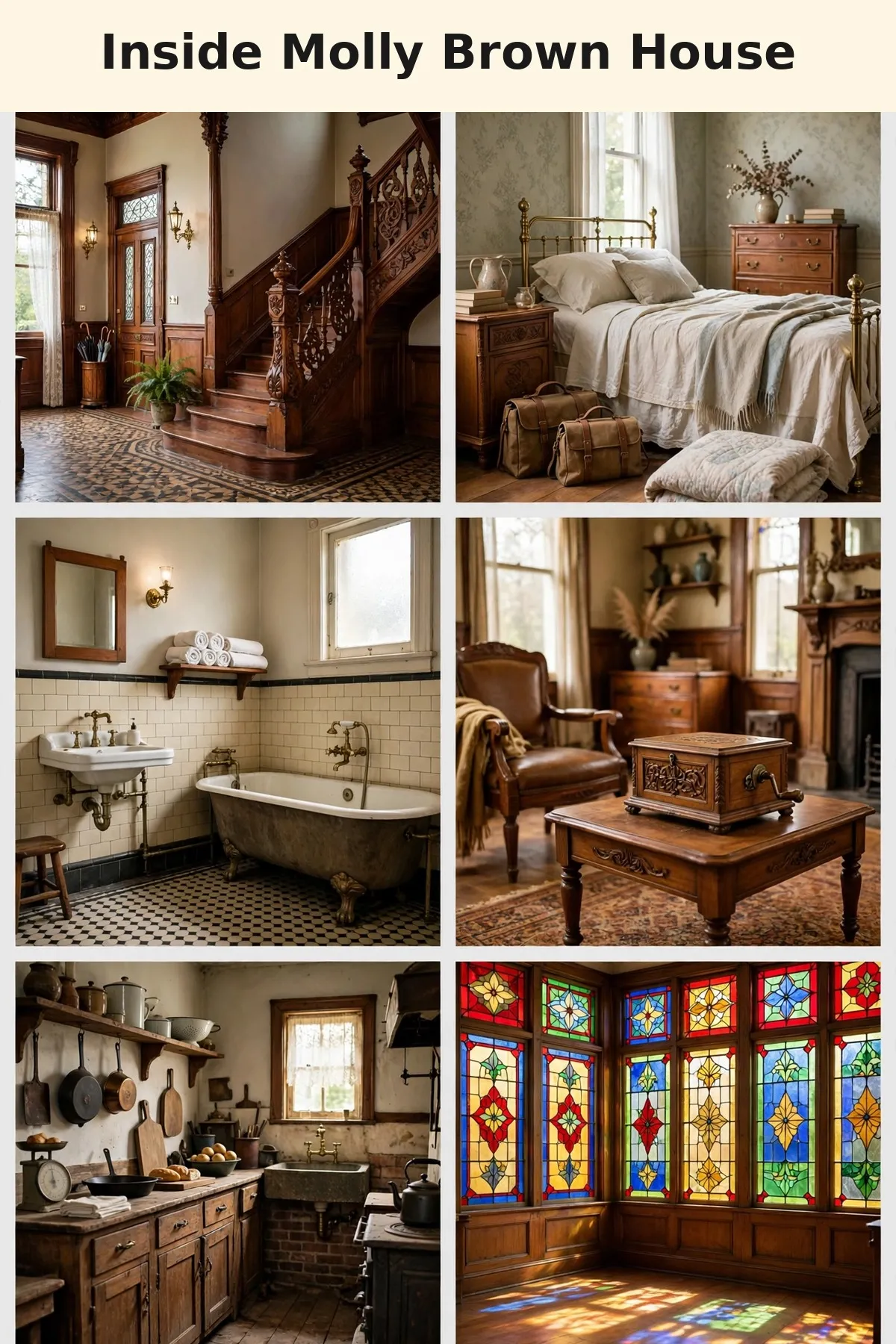
Guests step in through a grand front door. They at once see rich wood, warm light, and a bold stair. The stair climbs with grace, and it also draws the eye up to the fine rooms that wait above. Also, carved wood and bright glass add warmth, and they show the care that went into each small detail. The hall thus sets a tone of welcome, pride, and old Denver grace for the whole tour.
Bedrooms, Including Margaret Brown’s Bedroom
Bedrooms upstairs show how the Browns lived each day, and they also show taste that blends grace with ease. Margaret Brown’s bedroom holds fine old things, soft tones, and a calm air that suits rest and thought. Also, guides share tales of her books, letters, and travel gear. They link each thing to her bold life. The rooms thus feel close and true, and they help guests sense the woman behind the famed nick name.
Bathrooms
Bathrooms in the house show the new ease of 1889. They also show how rich homes prized clean, fresh rooms. Indoor pipes brought water close at hand, and that perk felt quite new for homes of that time. Also, fine tiles and old fixtures add charm, and they hint at a wish for ease as well as show. The rooms stay small and plain next to grand halls, but they still tell a clear tale of change.
Living Spaces and the 1885 Symphonion Music Box
Living rooms glow with warm wood, soft light, and fine old chairs that invite long talks with friends. Guests can sense balls, chats, and music nights, and they can also sense the wit that filled these rooms. In addition, an 1885 Symphonion music box stands as a star piece. It plays tunes from a past age with charm. The box shows her love of music, and it also gives guests a sweet, rare sound from long ago.
Kitchen and Household Life
Downstairs, the kitchen shows the hard work that kept a grand home in smooth shape each day and night. Cooks prepped meals, staff set tables, and hosts planned balls that filled the house with joy. Also, old tools and plain work rooms show a sharp split from the grand halls guests see first. The space thus honors staff work, and it also shows how much toil sat behind each fine night of fun.
The Stained Glass Room
Bright stained glass fills one room with hues of red, gold, blue, and green on a sunny day. Light pours through the glass, and it also paints soft hues on wood floors and pale walls nearby. Meanwhile, guests pause here most of all, since the glass gives the best photo light in the whole house. The room thus blends art with faith, craft, and joy, and it stays a top draw for each tour group.
Security and Privacy
Staff guard the house with care. They keep tours small so old rooms stay safe from wear and harm. Guides walk with each group. They also watch that guests do not touch fine glass, wood, or old things. In addition, set paths and clear rules help the museum shield its rare pieces for years to come. The house thus stays open and warm, yet its old soul stays safe through firm, kind care each day.
The Titanic Story, Told Through the House
Next, the house tells the Titanic tale. It focuses on grit, aid, and calm care for others in peril. Margaret helped folk into boats, and she also kept hope alive with songs, jokes, and firm words. Also, she pressed ship chiefs and aid groups to help poor survivors once safe ships reached land. Her work after the wreck shows a heart for justice. It also shows why folk still praise her name.
Back in Denver, she used her fame to push for new rules. She also pushed for aid funds and a fair voice for women. Talks in her home drew civic minds. They also drew aid for folk who had lost much at sea. Meanwhile, her tale grew in books and stage shows, but the house keeps the focus on real deeds. So guests leave with facts, not film myths, and they gain a true sense of her brave, kind life.
Saved From Demolition: The Road to a Museum
By 1970, the old house faced a grave threat, and plans for wrecking loomed large over its stone walls. New growth prized fresh builds, and old homes fell fast as Denver changed its face each year. Yet local fans saw worth in the house, and they fought hard to save it from the wrecking ball. Their zeal saved a key piece of Denver past, and it also saved the tale of a bold woman.
Historic Denver, Inc. led the rescue, and its team worked to bring the house back to life with care. Workers used 1910 photos as a guide, and they also matched wood, glass, and hues to the old look. In addition, the team sought old things from her time, and they placed each piece with thought and love. Historic Denver opened the house as a museum in 1971, and guests have loved it from that day on.
What Is the Molly Brown House Worth as a Museum?
No sale price fits this house now, since it serves as a museum, not a home up for sale. Its worth lies in its tale, its craft, and its role as a warm hub for Denver past. Also, the one firm price in its tale stays the reported $30,000 that the Browns paid in 1894. That sum shows mine wealth at work. It also shows how a home can gain worth through deeds, not just cash.
Other Molly Brown Places
Hannibal, Missouri, marks the town where Margaret spent her youth, and it also shapes her plain, frank style. Folk in Hannibal keep her tale alive. They also link her youth to the grit she showed later in life. Yet Hannibal stays a birth town tale, not a second Brown home in the Denver sense of the word. The Denver house thus stays the main home, and Hannibal adds roots to its rich, warm tale.
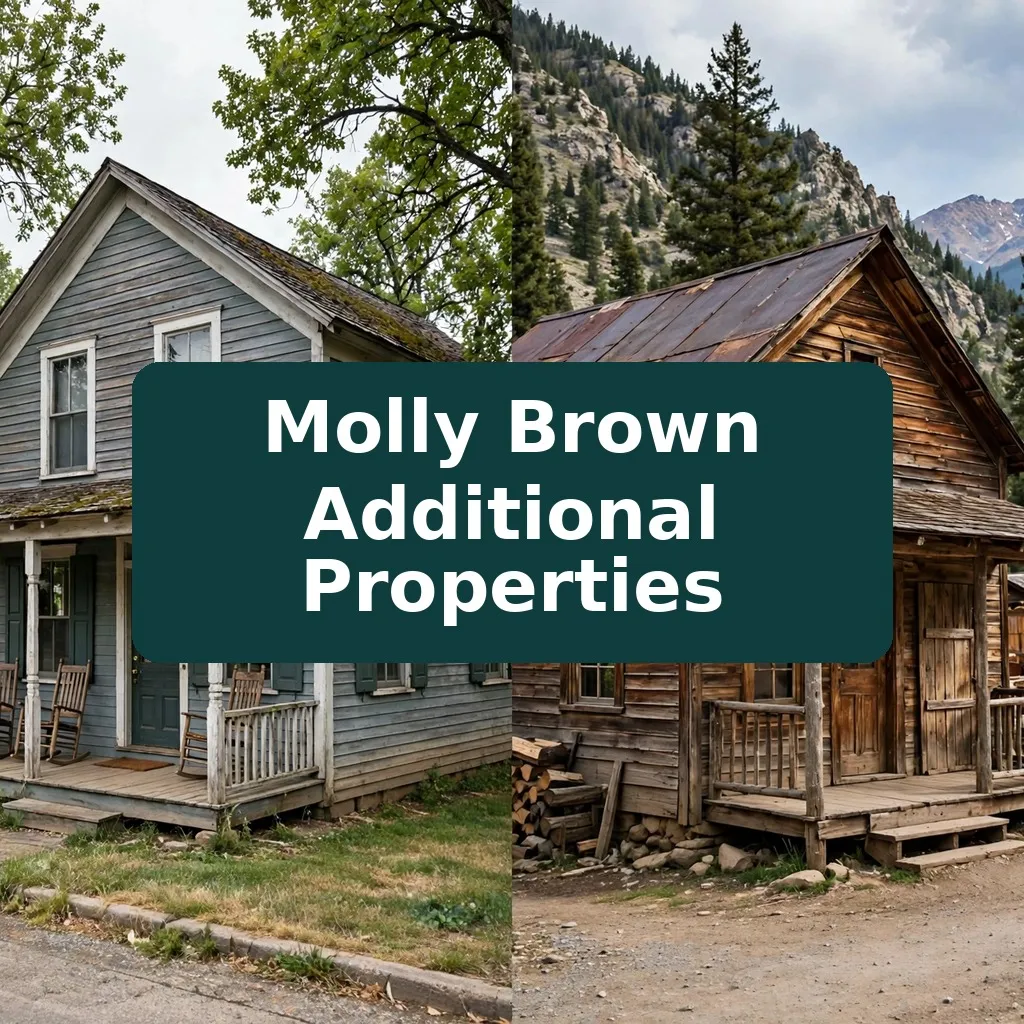
Leadville, Colorado, also shapes her tale, since mine life there set the stage for wealth and a new life. She met James Joseph Brown near the mines, and the pair built a life from hard work and luck. In addition, Leadville tales show her early grit. They also show why Denver later felt like a true home base. These towns thus frame her rise, but the Denver house stays the heart of her full tale.
Visiting the Molly Brown House Today
Guided tours lead guests through the main rooms, and they share tales that link each room to her life. Self-guided tours let guests move at their own pace. They also suit folk who love to linger and look. Also, hours and ticket prices can change with the season, so guests should check them just before they go. The museum site gives the latest tour times, and it also helps guests plan a smooth, fun day.
Warm days can feel warm inside, since the old house lacks modern air cooling for its grand rooms. Guests should wear light clothes, bring water, and plan a slow pace on hot days in town. Meanwhile, small groups and set paths keep the tour calm, and they also keep old things safe from harm. So a visit feels both fun and kind, and it leaves guests with a true sense of old Denver life.
Molly Brown Net Worth, in Historical Terms
Margaret Brown held wealth from mine luck, and she also held it through her own bold work and fame. No single firm sum sums up her wealth in a fair way. Old sums shift with time and source. Also, she gave much of her wealth to aid work, civic groups, and folk in need through her life. Her worth thus shows more in deeds than in a bank sum. That view fits her warm, bold life.
Frequently Asked Questions About Molly Brown House
Where is the Molly Brown House?
The house stands at 1340 Pennsylvania Street in Denver, Colorado, in the heart of Capitol Hill. Tall trees shade the block, and old stone homes line the streets all around it in neat rows. Also, the site sits close to parks and shops, so guests can walk to more Denver sights with ease. Guides greet guests at the door, and they lead small groups through rooms full of old charm.
When did Margaret Brown buy the Denver house?
Margaret and James Joseph Brown bought the Denver house in 1894, and they paid a reported $30,000. Mine wealth had just changed their lives, and the house gave them a proud base in Denver town. Also, the sale marked their rise in Denver society. It set the stage for years of balls and aid work. The house thus became their main Denver home, and it kept their name through the years.
Is the house the one from the Titanic story?
Yes, this house links to the famed Titanic survivor, since Margaret Brown lived here in Denver. She sailed on the Titanic in 1912, and she lived through its wreck with grit and care for others. Also, the house shows her life before and after that night, so it tells a much wider tale. Guests thus see a real home, not a film set, and they learn true deeds from her long life.
Can you visit the house today?
Yes, guests can visit the house today, since it now serves as a warm, loved museum in Denver. Guided tours lead small groups through main rooms, and self-guided tours suit a slow, free pace. Also, hours and ticket prices can change, so guests should check them just before they go. The old house lacks modern air cooling, so guests should dress light on warm days in town.
Is the Molly Brown House haunted?
Some folk tell ghost tales tied to the old house. Those tales add a fun thrill for some guests. Yet no firm proof backs a haunt claim, and the museum puts real life and true deeds first. Also, guides share tales with care, and they keep the focus on Margaret Brown and her bold work. Guests can enjoy a spooky tale, but the true draw stays her grit, warmth, and kind heart.
Conclusion
The Molly Brown House stands as more than stone, wood, and glass in old Denver town. It holds a tale of grit, wealth, and care, and it also holds the voice of a bold woman. Stone lions guard its front, bright glass lights its rooms, and each tour adds a new layer of love. In short, the house turns a famed nick name into a real, warm, human life for all to learn.