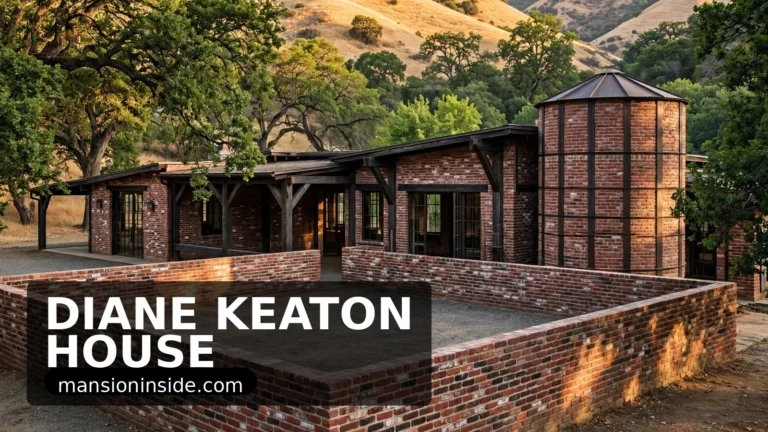
The frederick douglass house crowns a hilltop in Anacostia, Washington, DC. It stands as the proudest purchase of a man born into bondage in Maryland. Douglass escaped to freedom in 1838. In time he rose as a speaker, writer, and editor. Before buying Cedar Hill in 1877 for $6,700, he held high federal office. He enlarged the brick home to 21 rooms. His library filled with more than 1,000 books. Cedar Hill stayed his home until his death in 1895. Today the house welcomes guests as a public museum run by the National Park Service. A guided walk through its rooms, gardens, and the small stone Growlery shows his long journey. It runs from bondage to statesman.
From Bondage to Public Office
Douglass was born in bondage in Maryland. His exact birth year stays in doubt, with 1818 or about 1817–1818 both in use. As a young man he taught himself to read in secret. Literacy gave him tools to argue for freedom. From bondage he rose to high U.S. office in one lifetime. Few Americans went so far in a single life. His story runs from a Maryland plantation to a hilltop home in Washington. Cedar Hill crowned that rise. It was his final home and his proudest purchase.
In Washington he held posts few Black men held in his era. He served as U.S. Marshal for the District of Columbia from 1877 to 1881. Then he served as Recorder of Deeds from 1881 to 1885. Later he served as Minister to Haiti from 1889 to 1891. Each post kept him close to high office. His hill home anchored a busy town life. Age did not slow his voice. He kept speaking for Black rights until his death.
Escape North and Rising Voice
In 1838 Douglass fled to the North. He reached New Bedford, a free town. There he found work and a new name. The Johnsons gave him his first free home. From that town he rose as a speaker against bondage. His voice carried across the United States and Britain. In 1845 he wrote a famous life tale. That book made his name known worldwide. The North Star came next, a paper for freedom. During the Civil War he pressed for Black men to serve as soldiers. He met President Abraham Lincoln at the White House.
Rochester shaped his work as a speaker and writer. The North Star gave him a voice for freedom. His words reached crowds across the North. He kept fighting for equal rights after the war. His voice stayed strong in his later years. Cedar Hill gave him a base for that work. From the hill he wrote, spoke, and hosted guests. His home showed his place at the heart of reform.
Cedar Hill Purchase in 1877
Douglass bought Cedar Hill on 1 Sept 1877. He paid $6,700 for the house and 9¾ acres. His seller was the Freedmen’s Savings and Trust Company. A deed ban barred Black buyers from the land. Douglass bought it anyway. That act broke the color line in DC. He moved in during 1878 with his wife Anna Murray Douglass. Their earlier Washington home stood on Capitol Hill. Cedar Hill offered far more space and a grand hilltop view.
In 1878 he bought 5¾ more acres of land nearby. That step raised his holding to near 15 acres in his era. Modern figures for the grounds vary. Some give 9 acres, others 8.07 acres or 8 acres. A figure of 14 acres appears too. Exact modern acreage stays in doubt. What stands firm is the 1877 price and the 9¾-acre start. He added wings to the house over the years. By 1893 the house held 21 rooms.
Cedar Hill House Architecture
John Welsh Van Hook built Cedar Hill from 1855 to 1859. Brick forms the main walls of the house. Its plan is a rectangular central-hall home of two and a half stories. A gable-ended roof crowns the brick core. Four rooms fill the first floor, with four bedrooms above. Tall windows light the rooms on each floor. A broad porch once framed the front.
Steep gable forms give the house its Gothic Revival lines. Projecting eaves with a bracketed cornice add the Italianate touch. Both marks trace to the cottages of Andrew Jackson Downing. Cedar Hill was one of the first houses built in Uniontown. Its buff yellow walls and green trim still show the old palette.
Douglass kept the core design when he moved in. He then added wings that matched the old brick. His book room rose two stories high. The new kitchen wing stretched the house further. A second-story wing rose over the library. Two one-story bays grew off the front parlor. Outbuildings served the daily needs of the house. Those changes kept the brick look intact. By 1893 the house held 21 rooms.
Cedar Hill Location in Anacostia
Cedar Hill stands at 1411 W Street SE in Anacostia, Washington, DC. Its hilltop sits east of the Anacostia River. From the grounds, guests can see the city skyline. The U.S. Capitol dome rises in the distance on clear days. That view rewards the climb to the top. Trees frame parts of the scene. The hill spot sets the house apart from other museums. Anacostia gave Douglass a quiet base near DC.
Cedar trees once gave the hill its name. Their name gave the place its title. Douglass kept the name when he bought the house. It suits a home set high above the city. Gardens ring the house on its hill lot. Paths wind through lawns and flower beds. He tended the grounds with care. His wife Anna worked in the gardens too. Outbuildings once served the daily needs of the house.
Cedar Hill House Tour Overview
A walk moves through 21 rooms in order. The library anchors the tour with its books and desk. Parlors show how he met guests. Bedrooms on the upper floor feel quiet and still. The dining room and kitchen wing show daily life. A stone writing retreat stands apart on the grounds. Each room shows how the kin lived and worked. Old pieces, books, and papers fill the house. The tour ends with a clear sense of his life.
Inside Cedar Hill House
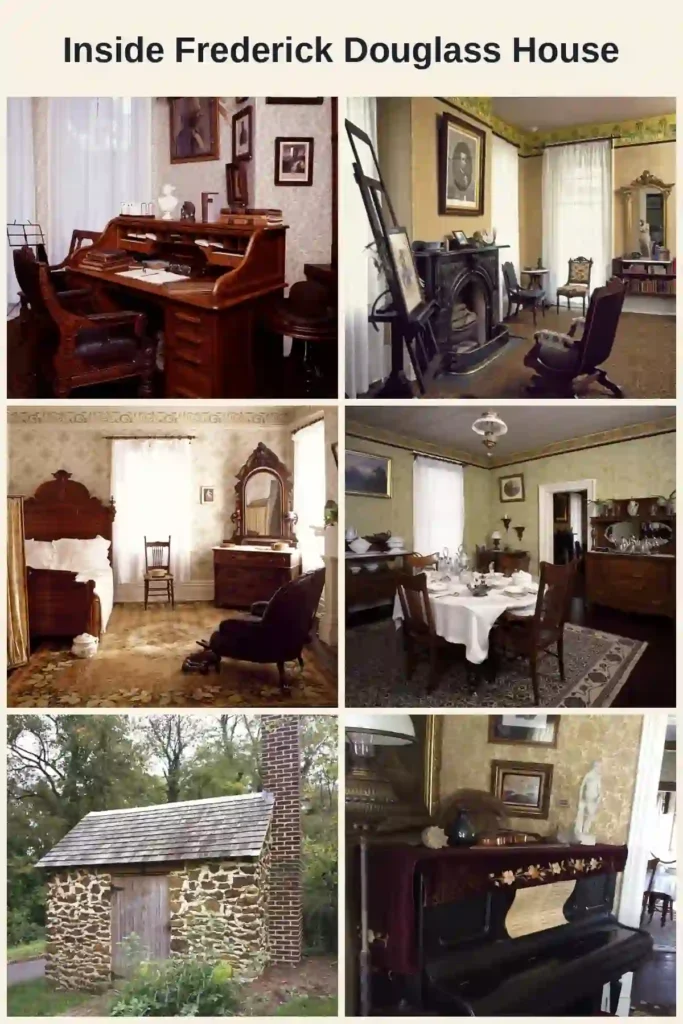
Inside Cedar Hill, 21 rooms hold the books, furniture, and personal objects Douglass used every day. The library anchors the tour. Parlors show how he welcomed guests. Bedrooms, dining room, and Growlery reveal the private side of a very public life. Each room below follows the order guests meet on a guided walk through the house.
Library and Book Collection
He built a two-story book room after 1877. It holds over 1,000 books from his life. His desk stands there with his notes. Shelves line the walls from floor to ceiling. He read much in history, law, and books. The book room served as his study and his office. Guests often met him among the books. Today the room keeps his desk and papers in place. It shows the mind of a self-taught scholar.
Parlors for Family and Guests
Parlors on the main floor took in kin and guests. Fine chairs and tables fill these rooms. Portraits and keepsakes add color to the walls. He used the parlors for talk and music. His kin met there in the evenings. Callers from office and reform sat there too. The rooms feel grand yet warm. Old goods still stand where the kin placed them. They give a clear sense of daily life at Cedar Hill.
Bedrooms on Upper Floor
Bedrooms fill the upper floor of Cedar Hill. Douglass and Anna slept in the main bedroom. Their kids and kin used the other rooms. Beds, dressers, and washstands fill the rooms. Light from tall windows fills each room. Kin kept these rooms simple and neat. His own things still sit on the dressers. Those small things bring the kin close to guests. The upper floor feels quiet and still.
Guest Rooms and Trunk Room
Guest rooms hosted friends and kin at Cedar Hill. He took in many callers to stay the night. His 21 grandkids often visited the house. They slept in rooms set aside for guests. A trunk room holds his domed trunk. That trunk went with him on his trips. It now sits as a relic of his busy life. The guest rooms show a home open to kin and friends. A warm welcome shaped life on the hill.
Dining Room and Kitchen Wing
He built a new kitchen wing after his purchase. It gave the house a larger space to cook and serve. The dining room sits near the kitchen. Meals took place around a long table. Guests joined for dinners after long talks. Workers and kin worked in the kitchen wing. The wing shows how a large home fed many people. Old tools and dishes still fill the space. Meals linked kin, work, and guests each day.
Growlery Outdoor Study
The Growlery stands apart from the main house. He built this small stone den for writing. Its name comes from a word for growling. He went there when he felt low or needed quiet. Inside, a desk and chair gave him room to think. He drafted speeches and letters in that small space. The den shows his need for quiet. It shows his grit as a writer too. Guests can see it on the grounds now.
Original Furnishings and Collections
The house keeps old goods from his home life. Chairs, tables, beds, and books remain in place. His own things, like his desk and notes, still fill the rooms. Park staff guard these pieces with care. Each item links the house to the people who lived there. No new goods fill the old rooms. The goods give a true picture of an 1800s home. It makes Cedar Hill feel lived in, not staged.
Douglass Public Life After 1877
From Cedar Hill he kept up a busy public life. His book room served as his office for letters and plans. Reformers, writers, and leaders climbed the hill to meet him. He took them in at his parlors and book room. Some stayed the night in the guest rooms. His grandkids added noise and joy to the house. Work and warmth mixed there. The home showed his place at the heart of reform.
He kept writing and speaking from the hill. His speeches pressed for equal rights. Letters from his desk reached leaders across the country. He met callers who sought his help. The book room held his desk and papers. His voice stayed strong in his later years. Cedar Hill gave him a base for that work. From the hill he shaped the debate on rights.
Cedar Hill Becomes National Historic Site
Death came at Cedar Hill on 20 Feb 1895. His heirs owned the house after his death. Helen Pitts Douglass acted to save it. She bought the house from his heirs for $12,000 in 1898. That step kept the home in caring hands. She left it to the Frederick Douglass Memorial and Historical Association. The group took its charter in 1900. Its members kept the house open to all. They guarded the goods, books, and papers. Her work saved the house from sale or loss. Without her, Cedar Hill might have vanished.
Helen’s group kept the house open for six decades. Restoration work ran in the 1920s under William Augustus Hazel. That work finished in 1922. The Park Service took over Cedar Hill in 1962. Its rangers now guide tours through the house. They care for the grounds and collections too. A $2.7 million rebuild ran from 2004 to 2007. That work fixed the roof, walls, and systems. The house joined the National Register in 1966. It gained National Historic Site status in 1988. In 2017 a U.S. coin showed Cedar Hill. The coin put the house in pockets across the country. In 2025 the house drew 29,378 guests. Rangers keep the house true to his time. Their work keeps the tale alive for new guests.
Additional Properties Linked to Douglass
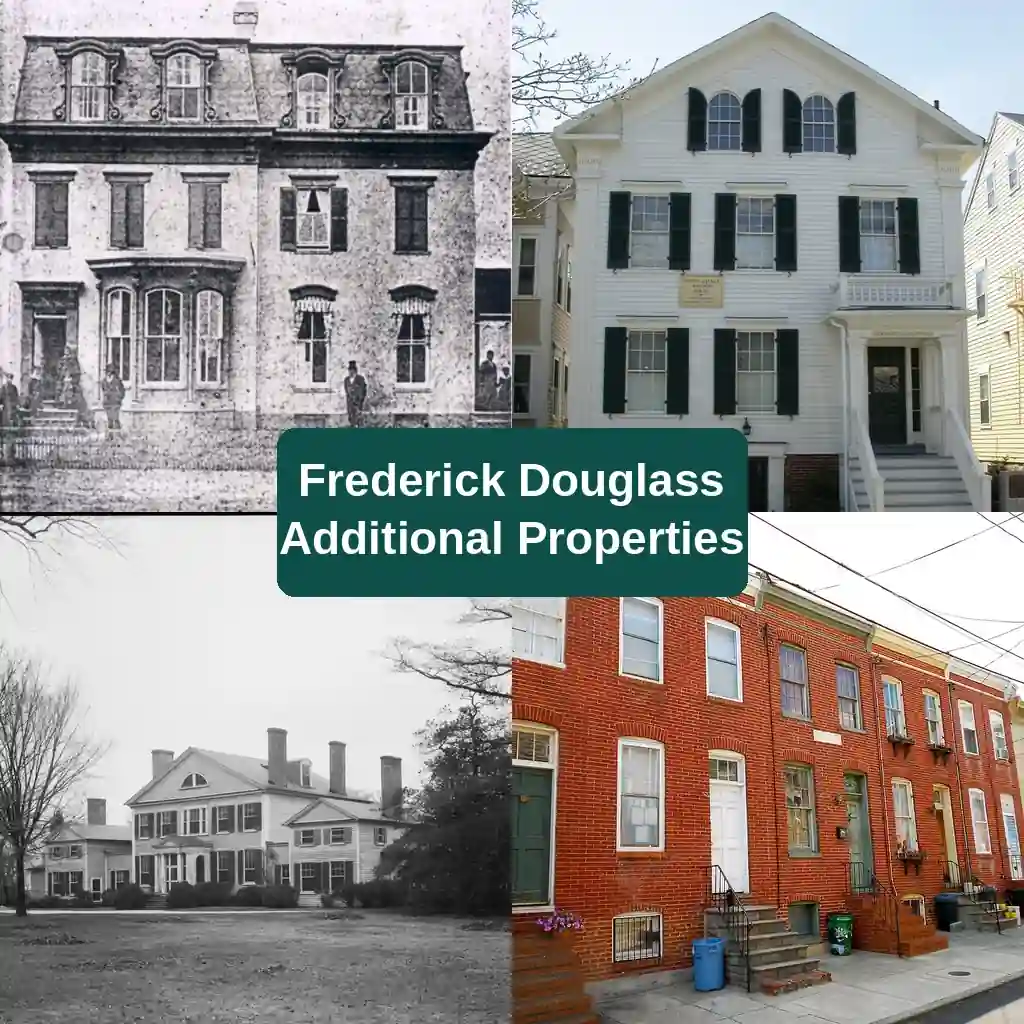
Before Cedar Hill, Douglass lived in a string of homes. They mark each stage of his life. The stages run from bondage in Maryland to freedom in Massachusetts, work in Rochester, and his first years in Washington. Each place below belongs to a different chapter, and each one helps explain how he reached the hilltop in Anacostia.
Capitol Hill A Street Home
Douglass’s first Washington home stood on A Street in Capitol Hill. He lived there from 1872 until his move to Cedar Hill. Dates for that stay vary between 1872–1877 and 1872–1878. The house now serves as the Frederick Douglass Museum. It marks his first years in Washington. His move from A Street to Cedar Hill showed his rising place. The Capitol Hill home stays tied to his early Washington life.
Rochester Hilltop Home Grounds
Douglass lived in Rochester, New York, for many years. He owned a home on Alexander Street. A hill farmhouse on South Avenue was his as well. Fire destroyed that farmhouse on 2 June 1872. A school now stands on that ground. One more Rochester home stood under his daughter’s married name. That town shaped his work as a speaker and writer. Its places still recall his years in New York.
Nathan and Polly Johnson House
Nathan and Polly Johnson lived in New Bedford. Their house gave Douglass his first free home. He reached their door after his escape in 1838. The Johnsons welcomed him with food and shelter. Their home marks the start of his free life. It stands as a key stop in his story. New Bedford gave him work and a new name. The Johnson house holds that first free chapter.
Wye House on Maryland Shore
Wye House stands in Talbot County, Maryland. Douglass spent part of his childhood in bondage there. The estate belonged to a large slaveholding kin. His early years on that shore shaped his view of bondage. He later wrote about those years with force. Wye House marks the harsh start of his life. It stands in sharp contrast to Cedar Hill. One held him in bondage; the other crowned his freedom.
Baltimore Douglass Place Homes
He spent key years in that port town as a young man. In the Fells Point area he lived and worked. His years there taught him trades and reading. Douglass Place in Baltimore recalls his time there. His homes in that city mark his path toward flight. That port town gave him skills and contacts. It gave him the chance to plan his flight north too. Those homes stay part of his home-state story.
Where Douglass Lived His Final Years
Douglass moved into Cedar Hill in 1878. He lived there for 17 years until his death. Those years were his last chapter. Anna shared the first years with him. Her death in 1882 grieved the kin. He married Helen Pitts in 1884. She later saved the house for the nation. His kids and 21 grandkids visited often. Meals and holidays with kin filled the rooms. Cedar Hill gave the kin a stable home.
Death came at Cedar Hill on 20 Feb 1895. He died in the house he loved, at about 77. His body then went north to Rochester. He lies buried at Mount Hope Cemetery there. That town was his home for many years. His grave draws guests who honor his life. Cedar Hill stays as his final home. It holds the last chapter of his long journey. The hilltop keeps his memory alive today.
Visiting Cedar Hill in Washington
The house greets guests now. Its address is 1411 W Street SE, Anacostia, Washington, DC. Guided tours lead guests through the house. Book well ahead of your trip. The house holds small groups at a time. A booked spot guards against a full tour. Walk-in guests may find no room left. Book on the Park Service page. That route shows open dates and times. Arrive early on the day of a tour.
A typical visit runs about 1.5 hours. An older page gives 30 minutes for a tour. Another source gives 45 minutes. No single length stands as firm fact. Check that page before a trip. That page gives the current days and hours. Guests can also take a virtual tour free online. Park staff offer two ways to take it. One way is a room-by-room tour from its Museum Management Program. The other way is a 360-degree interior view through the Google Cultural Institute. Both let guests walk the rooms from home. The virtual tour suits those who cannot climb the hill.
The hill climb takes effort, so plan for it. No fixed step count is stated here. Third-party pages give a figure, but it stays unverified. Wear good shoes for the walk up. Guests with limited mobility should check access first. That page gives current access facts. A welcome center greets guests at the house. It holds shows on his life and work. A film tells his tale before the house tour. Start there to ground the trip. The film and shows make the tour richer.
Getting There and Parking
A free parking lot sits on site at W and 15th Streets SE. The visitor center stands at the bottom of the hill nearby. Check in there at the start of a visit. There is no entrance fee for the site. House tours run Tuesday through Saturday only. Rangers guide each tour at set times. A booked ticket costs $1 through Recreation.gov. Walk-in tickets stay free when space allows.
The Green Line drops guests at Anacostia Station. The site sits about three-quarters of a mile off. Leave the station on the Howard Road side. A B2 bus stops right in front of the site. Its stop stands at W and 14th Streets. On foot, turn right on Howard Road for one block. Then turn left on Martin Luther King Jr Avenue for three blocks. Turn right on W Street for four blocks to the visitor center.
Drivers from the National Mall head east on Independence Avenue. Then turn southeast on Pennsylvania Avenue past the Capitol. A right on 11th Street SE leads under I-695 and across the river. The road runs straight onto Martin Luther King Jr Avenue SE. Three blocks later, turn left onto W Street SE. Four blocks on, the lot waits on the right. From I-295 South, take exit 1C for Martin Luther King Jr Avenue SE. Northbound drivers take exit 5C for the same road. Then turn left onto W Street SE and drive four blocks to the lot.
Frequently Asked Questions About Cedar Hill
When Douglass Bought Cedar Hill
Douglass bought Cedar Hill on 1 Sept 1877. He paid $6,700 for the house and 9¾ acres. In 1878 he moved in with his wife Anna. That buy came despite a deed ban on Black buyers. It marked his rise to a grand hilltop home. His final years unfolded on that Anacostia hill.
Do Tours Need Reservations?
Bookings come strongly urged for Cedar Hill. Guided tours lead each visit. The house holds small groups at a time. A booked spot guards against a full tour. Walk-in guests may find no room left. Book on that page. That route shows open dates and times.
Why Named Cedar Hill?
Cedar trees once grew on the hill where the house stands. Their name gave the place its title. The trees framed the house and grounds. Douglass kept the name from his buy. It suits a home set high above the city. The name still marks the hill today.
Is Cedar Hill Open Today?
Rangers run the house now. It takes guests in on guided tours. Days and hours can change with the season. Check the National Park Service page before a trip. That page gives the current open days and times. Book ahead to guard a spot on a tour.
Where Is Douglass Buried?
He lies buried at Mount Hope Cemetery in Rochester, New York. Death came at Cedar Hill on 20 Feb 1895. His body then went north to that town. Mount Hope holds his grave with his kin. That town was his home for many years. His grave draws guests who honor his life.
Conclusion at Cedar Hill Today
Cedar Hill crowns a hilltop in Anacostia. It stands as the proudest purchase of a man born into bondage. Douglass escaped, rose, and held high office. A deed ban could not stop his buy. He enlarged the house to 21 rooms and filled it with books. His life there ran until his death in 1895. The house keeps his books, goods, and papers in place.
Today rangers guide guests through its rooms. The virtual tour opens the house to all. Its gardens and views reward the climb. The house stands as a National Historic Site. It tells a tale of freedom won by one man. Guests leave with a clear sense of his journey. Cedar Hill holds that tale for new guests.